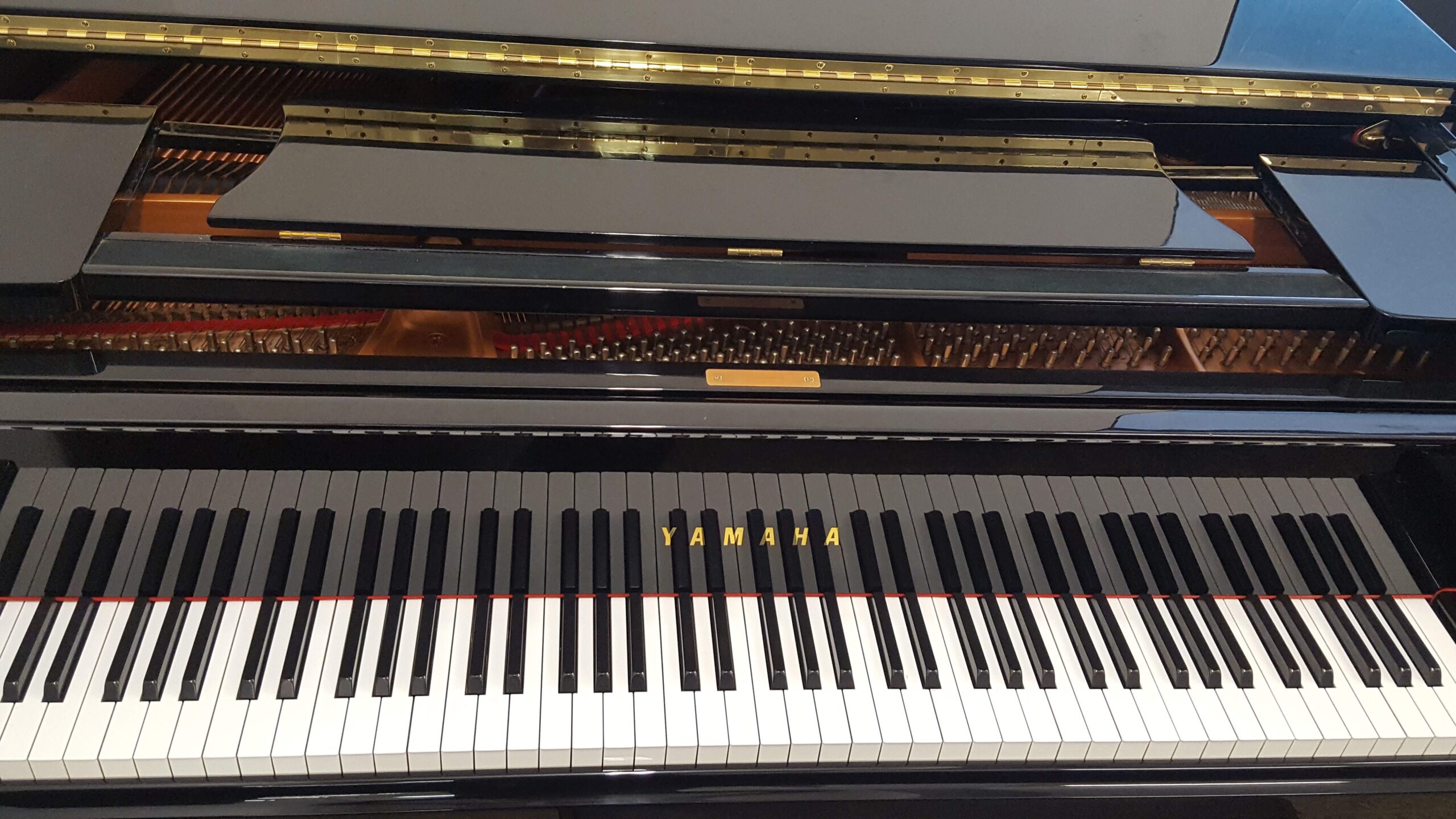
Yamaha’s Role in Music Education: A Global Symphony
When you think about global music education, Yamaha likely strikes a chord. And it’s not just because of their high-quality instruments! Yamaha’s commitment to music education is as deeply ingrained as the melodies in a Beethoven symphony. But how exactly does Yamaha tune into the educational needs of aspiring musicians around the world? Let’s explore.

Cultivating Young Maestros with the Yamaha Music Foundation
Imagine a world where every child has the opportunity to learn music. Well, Yamaha is on a mission to make that a reality through the Yamaha Music Foundation. Established in the 1960s, this foundation now sings a tune of musical opportunity in over 40 countries. They offer a plethora of programs ranging from beginner music courses to advanced lessons. So, whether you’re a parent looking to introduce your child to music or a young adult pursuing a career in music, Yamaha has a program tuned just for you!

Scholarships That Hit the Right Notes
Think getting a musical education is as expensive as buying tickets to a sold-out concert? Think again! Yamaha eases this burden with scholarships that are music to both students’ and parents’ ears. Each year, the Yamaha Music Foundation awards scholarships to hundreds of students across Europe alone. These scholarships support those dazzling young talents who are dedicated to their craft but need a financial encore to continue their studies.
Innovative Teaching Through Technology
Now, let’s march to the beat of Yamaha’s innovative drum—technology in music education. Yamaha isn’t just about classical approaches; they embrace modern tech to enhance learning. Their digital musical instruments come equipped with teaching tools that make learning interactive and fun. Picture this: pianos that light up to show the next note, or digital apps that track your progress like a personal music coach. Yamaha integrates these tools into their educational programs, making learning an instrument as enjoyable as jamming to your favorite tune.
Join the Bandwagon
So, you see, Yamaha’s commitment to music education strikes a harmonious balance between tradition and innovation. Their global programs not only foster musical skills but also build communities where music is a shared language. Whether you’re a student in Tokyo or a teacher in Paris, Yamaha likely has something musical in store for you. Ready to explore the world of music with Yamaha? Tune into their website and discover how you can be part of this melodious journey. Who knows, the next time you hit a Yamaha key, you might just be starting your own symphony!
Choosing the Right Instruments for Your School’s Music Program
Hey, educators! Picking the right instruments for your school’s music program can be as crucial as the curriculum itself. But don’t fret! I’m here to pluck out some key tips that’ll help you orchestrate the best choices for your budding musicians.
Know Your Needs Before You Note
Before you march down to the music store, it’s essential to assess what your program really needs. Are you starting fresh, or do you need to replace that old, wheezy accordion? Maybe your budget allows for a shiny new set of drums. Whatever the case, knowing your needs will tune up your shopping experience and keep it in harmony with your goals.
Quality vs. Quantity: A Balancing Act
It’s tempting to load up on lots of inexpensive instruments to ensure every hand has a violin or a trumpet. But here’s a little secret: a few high-quality instruments can provide better learning experiences than a plethora of cheaper ones. Quality instruments sound better, last longer, and hey, they just feel nicer to play. So, it might be worth investing in better quality for the instruments that get the most use.
Age-Appropriate Instruments: Size Matters!
Not all instruments are fit for little hands or the sometimes awkward, gangly limbs of teenagers. It’s important to select age-appropriate sizes. For younger kids, consider half-size guitars or smaller keyboards. As for those high schoolers, they can handle full-size models that feel and sound like the real deal. Ensuring the instrument fits the student will make playing more comfortable, enjoyable, and technically correct.
Maintenance and Durability: Keeping the Music Alive
Let’s talk durability. School instruments go through a lot. They get dropped, forgotten outside, and sometimes, let’s be honest, they’re not treated with the gentlest hands. Opting for instruments known for their sturdiness can save you a lot of headaches (and repair costs) down the line. Also, think about maintenance. Are the instruments easy to clean and repair? Will you need to regularly tune them or replace parts? These are key considerations, especially when your budget is tight.
Engage the Experts
If you’re feeling a bit out of your depth, why not turn to the experts? Many music stores have knowledgeable staff who can guide you through the selection process. They can offer insights into what works best within various budget constraints and what items are must-haves versus nice-to-haves. Plus, they can provide valuable tips on care and maintenance.
Plan for the Future
Lastly, think long-term. These instruments might be with you for many years, helping hundreds of students discover their musical talents. Choosing wisely now means you create a legacy of music education that resonates through generations of students. Isn’t that a beautiful thought?
So there you have it, the inside track on selecting instruments for your school’s music program. With a little planning and some savvy shopping, you’ll set the stage for a symphony of learning experiences. Who knows—the next Mozart or Hendrix might be in your third period class!
Yamaha Pianos: Keys to Success
Have you ever wondered how a Yamaha piano can change a student’s musical journey? Well, sit back, and let’s explore some heartwarming success stories that illustrate just how transformative these instruments can be!
From Beginner to Prodigy: Emily’s Journey
Meet Emily, who started her piano lessons on a humble Yamaha upright at age six. By the time she was ten, she had won her first local music competition. What’s her secret? Well, Emily says the consistent touch and tone of her Yamaha helped her perfect her technique faster than her peers. “It just feels right,” she says, and her trophy shelf seems to agree!
A Yamaha in Every Home: The Smith Family Tradition
In the Smith household, a Yamaha grand piano isn’t just furniture; it’s a family member. Starting with Grandpa Joe, who purchased it in the ’80s, to little Timmy, who just played his first recital, this piano has seen four generations of Smiths. Each credits their Yamaha with not only fostering their love for music but also enhancing their learning process. “It’s like it knows us,” laughs Grandma Lily, who still plays every Friday night.
Breaking Barriers: John’s Story of Overcoming Adversity
John’s story is nothing short of inspirational. Diagnosed with a learning disability early in life, John struggled with traditional learning methods. However, everything changed when he sat in front of a Yamaha digital piano. The instrument’s intuitive learning aids helped him learn at his own pace, making complex compositions more approachable. Today, John performs at community events, and his confidence is as palpable as his music. “My Yamaha didn’t just teach me music; it taught me I could learn anything,” he proudly shares.
The Comeback Kid: Lisa Finds Her Passion
After a discouraging start with a low-quality keyboard, Lisa almost gave up on her piano dreams. That was until her teacher suggested a Yamaha Clavinova for its weighted keys and realistic sound. The difference was night and day. With her new instrument, Lisa rediscovered her passion and recently landed the lead role in her school’s musical, playing piano live on stage. “I feel like I can express myself truly with my Yamaha,” Lisa says, her eyes twinkling with the joy of each note.
Yamaha and the Young Composer: Alex’s Modern Masterpieces
Alex, a budding composer, always found inspiration in the classics but wanted to infuse his music with a modern twist. His Yamaha’s recording features and sound mixing capabilities allowed him to experiment and blend different musical styles. His compositions, a fusion of classical and electronic, have now caught the attention of music schools across the nation. “My Yamaha is more than an instrument; it’s my laboratory,” Alex explains, his excitement echoing through his innovative melodies.
These stories are just a few notes in the grand symphony of Yamaha’s impact on students around the globe. It’s clear that whether it’s fostering early musical development, helping overcome challenges, or providing a platform for advanced composition, Yamaha pianos are not just instruments—they are partners in each musician’s journey. So, if you’re considering a path in music, why not start your story with a Yamaha? Who knows where the keys might take you!
The Digital Chord: Pianos in Modern Music Education
As we step into the future, the sound of music education is evolving, and pianos are playing a fresh, digital tune. Let’s dive into how pianos are not just keeping up but leading the charge in modern music learning.
Interactive Learning: A New Standard
Gone are the days when music education meant repetitive scales and isolated practice. Today, interactive learning tools integrated into digital pianos are revolutionizing the way students engage with music. Imagine a piano that lights up to show which keys to press, or software that provides instant feedback on your playing. These pianos make learning more like a game and less like a chore. “You’ll never miss a note again,” promises the latest Yamaha model, and frankly, who wouldn’t want that?
Beyond the Classroom: Online Integration
As more households get connected, online resources become an essential part of music education. Modern pianos are designed to connect directly to the internet, allowing students to access a world of online tutorials, virtual lessons, and even remote duets in real-time. This means you can jam with a friend across the globe or take a lesson from a teacher in another country, all from your living room. “Your piano teacher could be in Tokyo, and you wouldn’t miss a beat,” says a Yamaha product developer.
Sustainability Meets Sound
Looking ahead, the role of pianos in music education is also getting greener. Manufacturers are innovating ways to produce pianos that are both eco-friendly and durable. Materials from sustainable sources and energy-efficient production methods are becoming the norm. Plus, with advancements in digital sound quality, more educators and institutions are opting for digital pianos, which require less maintenance and tuning than traditional acoustic pianos. This shift not only supports global sustainability efforts but also reduces the long-term costs associated with music education.
Customization is Key
The future of pianos in music education is not one-size-fits-all. Upcoming models are increasingly customizable, allowing users to adjust everything from the sound to the resistance of the keys. This customization extends to educational features, too. Whether you’re a beginner needing slow-paced, simplified pieces, or an advanced student ready to explore complex compositions, your piano can be programmed to suit your exact learning pace and style. “It’s like having a piano that grows with you,” explains a music teacher excited about these new possibilities.
The evolving role of pianos in music education is dynamic and exciting. With technological advancements, the integration of interactive tools, and a focus on sustainability, pianos are proving to be instrumental in shaping the future of music education. They’re helping students achieve their musical goals in personalized, engaging, and environmentally responsible ways. So, the next time you sit down at a piano, remember, you’re not just playing notes; you’re also playing a part in the future of music.